
Boost your time-critical operations
Your service organisation is under pressure: rising ticket volumes, seasonal peaks, new products – while your commitments to end customers remain the same. The answer? LPR’s Technical End-User Helpdesk, to help you manage every challenge without compromising your customer service.
Our teams provide reliable first- and second-level support for [specify, e.g. any technical need]. Every ticket runs through a thorough diagnostic process and a remote troubleshooting. Then, we recommend only what’s necessary, which may sometimes include replacement or on-site repair services.
You have control over costs and resources at all times, while your end customers benefit from faster support, high availability, and reduced downtime.

Why use LPR?

Remote root-cause analysis before any potential on-site visit

Reliable first-and second-level processes with defined handovers

Scalable availability during seasonal volume peaks and new product launches

Visibility into every ticket for service, sales, and management

Easy integration into your existing systems and service workflows

More cases solved at first contact, guaranteeing less downtime for your end users
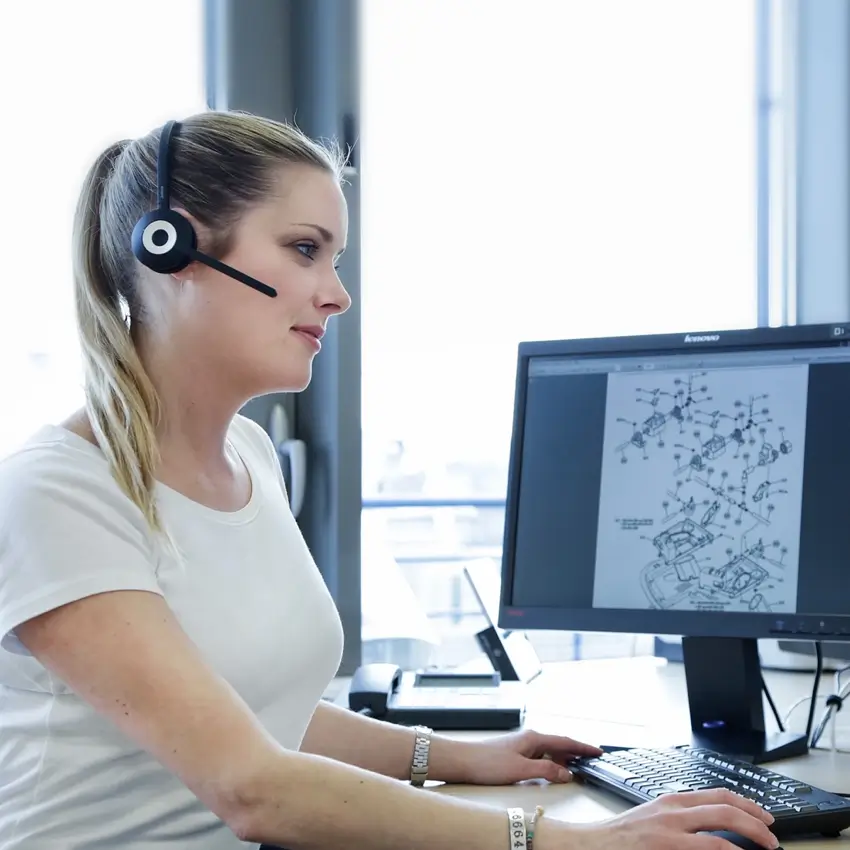
From ticket to resolution decision, we’re here to help
The LPR Technical End-User Helpdesk is built around a structured decision path. Every ticket is screened and classified, against easy-to-follow, clear criteria. Based on the outcome , we decide together the best resolution : remote support, device replacement, or on-site repair, so that your field engineers can focus on the interventions with the highest impact.
All steps are documented – from first contact to ticket closure. You can access performance insights and relevantdata on root causes patterns, ticket volumes, availability, and resolution types. We help you reduce unplanned visits and maintain a consistent service promise with your end customers.
Our key industries for technical end-user helpdesk
A coordinated remote helpdesk can be essential to make service costs more predictable and reduce downtime specifically for the following sectors.


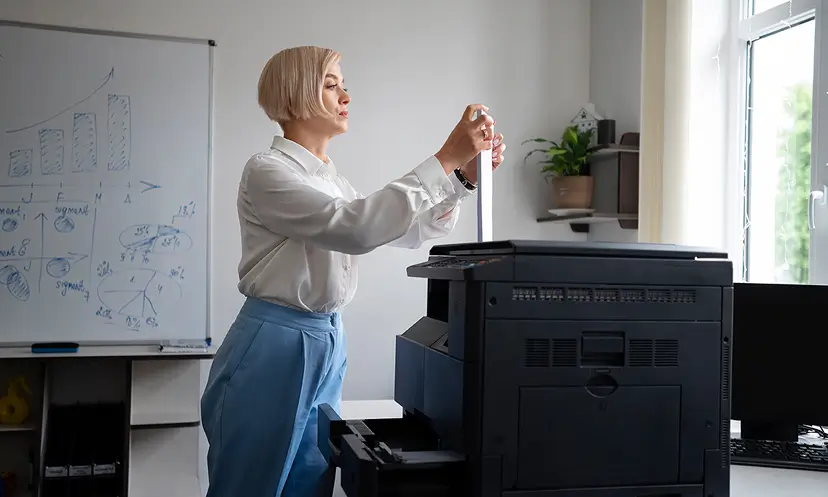
Office Devices
Central contact point for user issues and incidents with printer, scanners and PC systems.

High Tech
Technical support for automated robotic systems, with clearly defined transitions to spare parts supply or on-site service.